Search


Type
Grade Level
Social Justice Domain
Subject
Topic

1,488 Results

article

Race Conversation Must Go Deeper

When I was in fifth grade and new to suburbia, my teacher introduced the concepts of racism, civil rights and fairness. And she began the task of helping 10-years olds—all of us white—learn how to talk about race in constructive ways. I’d moved from a gritty urban neighborhood where whites, blacks and Puerto Ricans lived together rather warily. My parents maintained a chilly silence on the issue of race, although they forbade racial epithets; on the street I heard plenty. In this place, the black kids came mostly from the projects, the Puerto Ricans lived in apartments and the better-off among the white families might have an entire house. I knew that race divided.

the moment

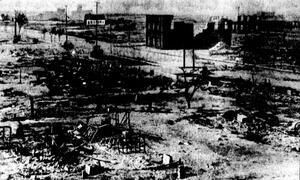
Teach the Truth of the Tulsa Race Massacre

On May 31, 1921, white supremacist terrorists attacked the Greenwood community in Oklahoma, killing up to 300 Black residents and burning over 1,000 homes. We don’t know the exact number: For too long, the history of this and other acts of racist terror across the United States were intentionally kept quiet. We urge you to teach the truth about Tulsa and other hard histories. These resources can help.

article

Race Talk When Diversity Equals One

It happens in every class. We’re discussing a text, a publication, a current event, a poem. The content doesn’t matter. It’s the phrase that counts. A student comments and uses the phrase “African American” or even “black people.” The student is white. The reaction of the class – almost all white – is swift. As if choreographed, all eyes turn to the one student of color. The spotlight of eyes shines down and he or she blinks back as if staring into the sun. The teacher should use this moment to open a discussion.