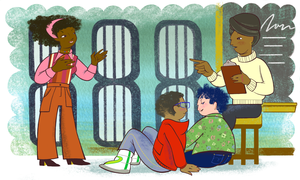
Process drama, which encourages students to play with inquiry, brings content to life for students. Here’s how it looked in one high school classroom in Ohio.
TT Grants coordinator Jey Ehrenhalt talked with elementary educator Kristie Burnett, who models mindfulness and brings meditative practices to the students in her third-grade classroom in upstate New York.
Ric has 20 years experience in teaching history and social studies courses at high schools and colleges in northeast Ohio. He is especially interested in incorporating human rights into his teaching and has developed and taught a course entitled International Human Rights for many years. Follow his ideas here.
Grades: 4-8 Subjects: Social Studies, Reading and Language Arts, ELL/ESL Categories: Race and ethnicity; History Story Corner is a student-directed feature in Teaching Tolerance magazine. In the current issue, we tell
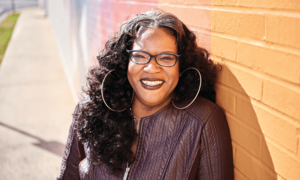
Nefertari Yancie, Ph.D., credits her family’s commitment to asking courageous questions, seeking answers and taking action as the impetus for her career in the classroom.
Sometimes teaching at my magnet arts school in Alabama, I can imagine the worst days of racism and intolerance are behind us. Most of the roughly 500 students have genuine, deep friendships across racial lines and very rarely do the old racist memes and tropes raise their ugly heads.
Join Learning for Justice and cohosts from the Smithsonian Science Education Center for a webinar on integrating social justice into your practice as a science educator!
Benjamin is the Religious Literacy Specialist with the Religious Freedom Center of the Newseum Institute. He has developed religious literacy programs for public schools, universities, U.S. government organizations, and private foundations and has delivered presentations on religion at universities and nonprofits in the U.S. and abroad. Marcus is a contributing author in the forthcoming Oxford Handbook on Religion and American Education, where he writes about the importance of religious literacy education.