Tangible items can be reminders of the value of people’s unique stories, of building relationships with students and colleagues, and of our mission as educators to teach acceptance and respect.
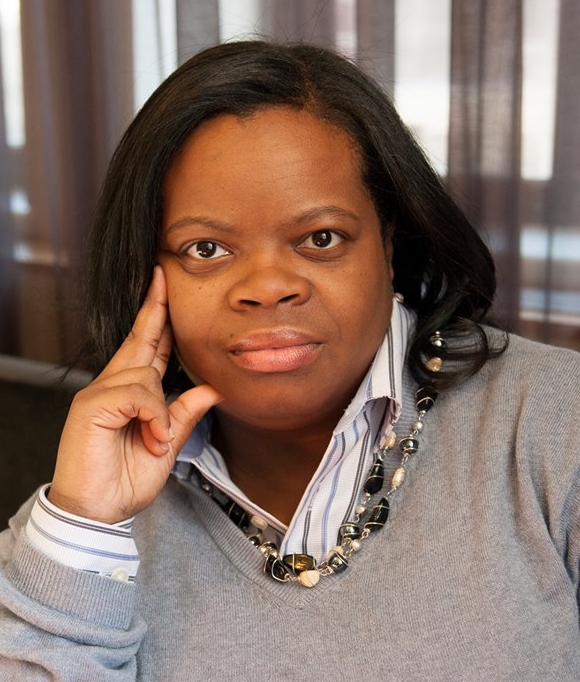
Teresa L. Reed, Ph.D., (she/her) serves as the dean of the School of Music at the University of Louisville. The author of several books including The Holy Profane: Religion in Black Popular Music and The Jazz Life of Dr. Billy Taylor, Reed has lectured nationally and internationally on music theory and African American music. Her work has appeared in numerous publications including the Journal of Religious Thought, Popular Music and Society and the Black Music Research Journal. She was previously on the faculty at the University of Tulsa and during her 25-year tenure there served as director
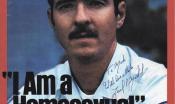
Leonard Matlovich, a U.S. Air Force sergeant, was awarded the Purple Heart for service in Vietnam, but discharged soon after telling his captain he was gay and appearing in uniform on the cover of Time magazine with the words, "I Am a Homosexual" emblazoned next to him. While he may have "settled" in his fight against the Air Force, he was a pioneer in the fight for gay and lesbian rights in the military.
One educator shares the conversation she started with students the day after the 2021 shootings in Atlanta and recommends resources anyone can use to teach about Asian American history and identity.
Dr. Shantá R. Robinson holds a B.A. in sociology from the University of North Carolina at Asheville and an M.A. in public administration from the University of North Carolina at Charlotte. She earned her Ph.D. in educational studies at the University of Michigan, where she specialized in the sociology of education; qualitative methodologies; and issues of race, class and access in secondary schooling. She began her professional career as a high school history teacher in Charlotte. Robinson’s research interests include the role of social identity in marginalized students’ educational
This educator asks elementary teachers: Is your classroom preparing students to work toward healthier, safer, more equitable communities—or to do worksheets?