After this weekend’s shootings in El Paso and Dayton, we ask: How do educators keep tragedy and terror from overwhelming them as they fight for justice?
Q: A student came in with a “Hillary for Prison” T-shirt, and I suggested it might be inappropriate for school. My administrator told the student that political statements on clothing are allowed, but our dress code says
In The New Jim Crow, Michelle Alexander explores complex questions about the criminal justice system and the history of race and racial justice in the United States.
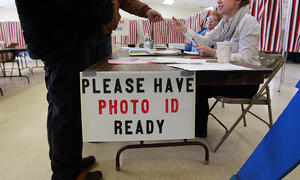
Use these excerpts from ‘One Person, No Vote: How Not All Voters Are Treated Equally’ to help students identify claims, recognize evidence and evaluate the argument that charges of voter fraud can be a form of voter suppression.
The UCLA Dialogue Across Difference Initiative offers a model to foster a culture of meaningful exchange, empathy and critical thinking in education and communities.
This lesson focuses on questions of identity as students read and analyze Angelou’s inspirational poem “Still I Rise” and apply its message to their own lives. Students learn how Maya Angelou overcame hardship and discrimination to find her own voice and to influence others to believe in themselves and use their voices for positive change.
In this blog post, the author moves through a timeline of sexual aggression and violence imposed on her, or women around her, beginning in her childhood and going through having her own child.