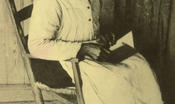
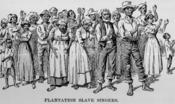
These images were published in a pro-slavery book in 1915. The author published images of formerly enslaved people who continued to live with their enslavers after the Civil War to argue that they were loyal to their enslavers.
Scholar and educator Lee Anne Bell explains social justice education and highlights its role in actively countering injustice and helping to build an inclusive democracy for the benefit of all.
A literacy test from Alabama (c. 1965) asks complex questions about civics to suppress voter registration and demonstrates the range of questions available to officials.
As “Girls, Interrupted” documents, girls now account for 30 percent of juvenile arrests and 15 percent of juvenile incarceration—making them the fastest-growing demographic in the juvenile justice system. But they are the least talked about. This toolkit offers a list of resources that educators can consult to expand their knowledge about at-risk girls and build gender-responsive practices to support their needs.
This text is a long reflection by a woman who was formerly enslaved. The author, Annie, grew up working in the home of her enslaver. The text gives her perspective on the experience of slavery and liberation.
Written to celebrate President Abraham Lincoln's birthday, this hymn follows the journey of African Americans in this country, remembering the rough road traveled but thanking God for seeing them to a bright future.