article

2,176 Results

article

article
Webinars for Your Summer Weekends
Summer’s here! Catch up on our on-demand webinars and spread the word.
article
Let's Put the Power Back in "Empowerment"
When we call for empowerment of our students, what are we asking for?
text
Informational
Welfare is a Women's Issue
This essay expounds on the injustices and false perceptions faced by women in the welfare system. Tillmon contends that the system is overrun with sexism and that until American women are liberated by equal pay, the welfare system will continue to be a trap for them.
July 3, 2014
professional development
Five Standards of Effective Pedagogy
Does your teaching include these five standards? Take a deep dive with this self-check, originally produced by the Center for Research on Education, Diversity and Excellence at the University of California.
May 4, 2011
the moment
Celebrate Juneteenth and Support the Ongoing Justice Movement
“Juneteenth offers a moment for those who envision a just society to elevate and support the ongoing freedom movement no matter where they live. It opens possibilities to do the real work of uncovering honest history—and to be honest with ourselves, especially in the wake of racial violence.” —Juneteenth Observances Promote ‘Absolute Equality’
Juneteenth—celebrated June 19—marks the announcement in June of 1865 to enslaved Black Texans that they were free. These LFJ articles help to contextualize the holiday and the ongoing fight for justice and freedom.
- Juneteenth Observances Promote ‘Absolute Equality’
- Teaching Juneteenth
- My Pride Is Black, My Juneteenth Is Queer
article
Why “Both Sides” of a Story Aren’t Enough
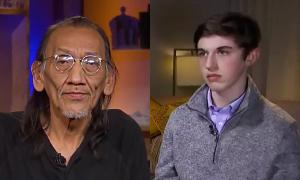
Students are capable of processing complex narratives; we just need to give them the tools.
text
Multimedia
Good Morning, Carrie/ Williams and Walker (1901)
The text is about blackface and music by black artists in the early 20th century.
December 14, 2017
lesson
Before Rosa Parks: Susie King Taylor
The title “Before Rosa Parks” loosely links a number of lessons that address African-American women who were active in the fight for civil and human rights before the 1950s. This lesson highlights Susie King Taylor, the only black woman who wrote a narrative about her experiences working with soldiers during the Civil War.
July 6, 2009