In 1964, my third-grade teacher relied mainly on an air of motherly authority to maintain control over her classroom of more than 50 8-year-olds. But when pushed, she warned darkly of deploying her spanking machine.
Students choose a mode of expression—e.g., writing, art or storytelling—to share theme-related ideas and feelings with a “buddy” from outside the classroom.
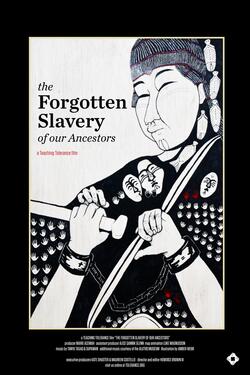
In these short videos, historians and scholars explore the undertaught history of African and Indigenous enslavement in what is now the United States. (Available for streaming only)
Lisa Glenn graduated from Birmingham-Southern College with a degree in Psychology. While at college, she participated heavily in BSC's service-learning initiatives through service-learning coursework, local service activities, and month-long service trips. Lisa was awarded a Rotary Ambassadorial Scholarship to study in South Africa, where she taught 7th–9th grade technology and also earned a B.Ed. Honours degree in Human Rights Education at University of the Witwatersrand. After returning from South Africa, Lisa left her home in the South and moved West, where she taught 6th grade in Phoenix
Estimated time Two to three weeks Why? One of the ways young students become invested in the democratic process is by become empowered advocates for civic participation in their local communities. When younger students