article

349 Results
article
Looking Back at Civil Rights—and Looking Ahead
Like the more than 22,000 students who visit the Civil Rights Memorial Center each year, Brittney Johnson loved the fountain. The 10-year-old Montgomery, Ala., native had never been to the memorial center, even though it’s just a few miles from her house. And like most visitors she was instantly drawn to the circular black granite fountain out in front. This unique piece of architecture, designed by Maya Lin, is engraved with the names of 40 civil rights martyrs. Next to it stands a wall of water that cascades transparently over Martin Luther King Jr.’s well-known paraphrase of Amos 5:24 -- We will not be satisfied until justice rolls down like waters and righteousness like a mighty stream.
article
You Spoke, We Listened
Readers had a lot to say about our Spring “storytelling” issue, the new film kit about Selma and much more.
article
BROWN V. BOARD: The United States, Circa 1954
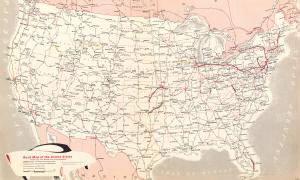
The state of the union when the Brown decision came down.
article
What Good Is a Voice If You Don’t Use It?
After years of leaving his classroom walls empty, this high school teacher was prompted by the current political climate to do a little decorating. It sparked some fruitful classroom discussions.
article
Experience the Civil Rights Road Trip
Many schools are offering civil rights trips over spring break. Find out how you can engage students in your communities and across the country.
article
Resources for the New Year!
These Perspectives for a Diverse America resources for all grades are sure to help you get the new semester off to a good start.
text
Informational
Investing in the Community
Lewis Diuguid recounts how The Million Man March was an important moment for the African-American community, with black men marching together in Washington, D.C. and in other cities across the country.
July 5, 2014
article
Seeing Economic Justice for All
In early 1968, Martin Luther King Jr. and other civil rights leaders continued plans for a Poor People’s Campaign. It would take place in the spring in Washington, D.C. The poor and those in solidarity with them would take up temporary residence and march peacefully on the Capitol and advocate for substantial anti-poverty legislation from Congress. They would demand jobs, healthcare and decent housing.
publication
Letter from the Director
We hope this guide provides you with practical ideas about how to respond to derogatory language and bigotry in the moment, from any source, in any situation.
July 30, 2012