When the U.S. Department of Education’s Office for Civil Rights mandated diversity trainings for this school district, everyone pulled together to make some serious changes for the better.
Just as we engage students in establishing guidelines for building inclusive, safe spaces in our classrooms, it is vital that students learn how to communicate in internet groups and respond to bias online.
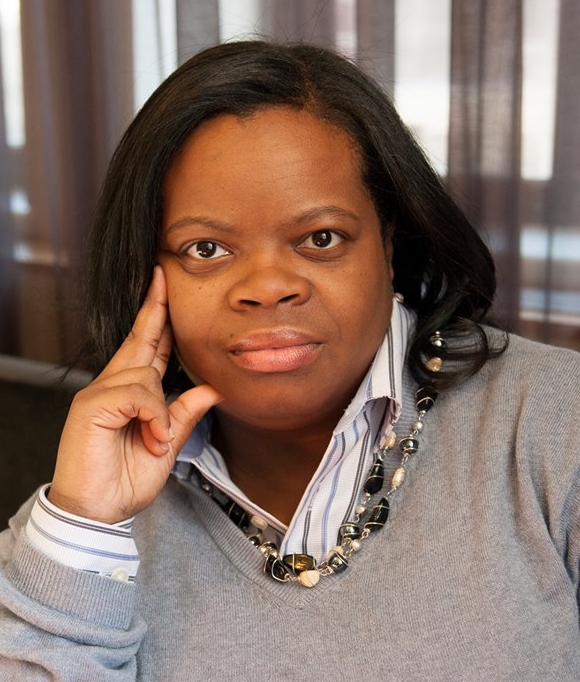
Dr. Shantá R. Robinson holds a B.A. in sociology from the University of North Carolina at Asheville and an M.A. in public administration from the University of North Carolina at Charlotte. She earned her Ph.D. in educational studies at the University of Michigan, where she specialized in the sociology of education; qualitative methodologies; and issues of race, class and access in secondary schooling. She began her professional career as a high school history teacher in Charlotte. Robinson’s research interests include the role of social identity in marginalized students’ educational
It is vital to support specific victims of a bias incident or hate crime at school, as well as show support for the targeted community. To create this support, you must provide for physical safety, denounce the act in
[2023] Critical Practices is a resource to support K-12 educators in growing their understanding of social justice principles and integrating them into their practice.
Racial bias—of all sorts—is the most common driver of incidents, making up 33 percent of the number reported by educators and 63 percent of those reported in the news media. Black students are the ones targeted in an