article
Teaching in Solidarity
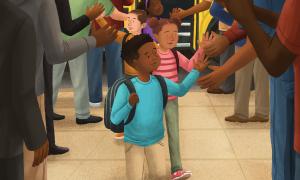
The guiding principles behind the Black Lives Matter At School Week of Action can be an important frame through which to reimagine more liberatory educational spaces for Black children.


In racist tweets this weekend, the president again used dehumanizing language to describe a place that’s home to hundreds of thousands of people of color. When you talk with students about place, how do you uplift a diverse range of experiences, call out coded language and engage questions of justice? This edition of The Moment offers a few places to start, with recommendations for talking about Baltimore and stories of student and educator action that counter racist narratives about New Orleans and Detroit.
Today we celebrate the lives and work of Rep. John Lewis and the Rev. C.T. Vivian. We’re eternally grateful for their lifelong, courageous activism. As we remember these leaders’ relentless pursuit of equality, we hope educators will join us in continuing to work for justice and liberation for all. And we hope young people will join us in holding Representative Lewis, the Rev. Vivian and other change makers as models for who we can be when we decide to make “good trouble.”
In the latest LFJ article, school counseling professor Riley Drake, Ph.D., outlines a model of social and emotional learning and explains “‘feeling safe’ is contextual,” especially for Black and Brown children whose needs are often overlooked in our nation’s classrooms. Relying on community partnerships, promoting mutual aid to foster solidarity and advancing restorative justice are strategies educators and other adults can employ to increase children’s feelings of safety and well-being. These LFJ resources offer more detail.
In the latest issue of Learning for Justice magazine, a Black Alabama teenager recounts the damage an education that is neither accurate nor inclusive has caused in her life.
The struggle for equality and justice for all women is not relegated to history; it is the lived experience of women today in the United States and around the world. Our newest resource page, published in recognition of Women’s History Month, offers a variety of articles, texts and other resources to help discuss and uplift both the history of and the ongoing struggle for women’s equality.
Celebrate Women’s History Month by making a commitment to discuss, teach and learn about women’s rights and history, past and present, all year long.