We’ve collected some of our favorite 9-12 resources and lessons for teaching about voter suppression and how it shapes elections today. These TT-recommended resources for exploring voter suppression with students have
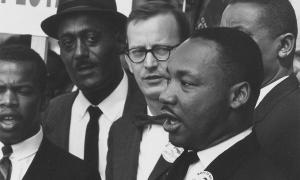
Dr. Martin Luther King Jr. Day is an ideal time to reflect on the life and legacy of this great leader, but it's important to do it with care and nuance—and to keep the conversation going beyond January 15.
Before You Begin: The Planning Committee Activity A: Review Best Practices 1. Take turns reading the standards aloud. As you read, discuss each standard and address any questions or concerns group members may have—about
Every year around Martin Luther King, Jr. Day, the news media start quoting his “I Have A Dream” speech. There’s nothing wrong with that. It’s a great speech – certainly one of the best ever given in the cause of civil rights.
My student Belinda got into a fight last year. It wasn’t a prissy, slappy, name-calling fight, either. It was a reality television-worthy, punch- throwing, eye-bruising fight that didn’t end until Belinda’s opponent had ripped the weave out of her hair and waved it around in front of the student spectators.
This fourth-grade teacher, a TT Award winner, offers some classroom suggestions to make Dr. Martin Luther King Jr. Day an opportunity for deep, personal engagement—not a day off.
This piece accompanies the Juliette Hampton Morgan lesson series. Participants learn the importance of being an ally through the story of Juliette Hampton Morgan, a white woman who lived in Montgomery, Alabama, during segregation.
In the course of the day, sometimes, overwhelmed by the sheer volume of choices and decisions to be made, I miss the big moments. Take a day last fall. We were coming from lunch when I noticed that Brendan was crying. “Malia, why is Brendan crying?” I asked. “Oh, he’s sad that his caterpillars got let go,” she said.