article
Child Hunger Should Concern Us All
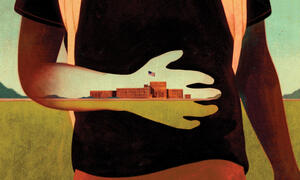
Ensuring food security for all children is a national responsibility that should cut across political divides.


Emphasizing the value of civil discourse is an important step toward setting the stage for a positive school year. This edition of The Moment gathers articles and teaching resources on how to create an environment where students can discuss difficult topics in a respectful, civil way.

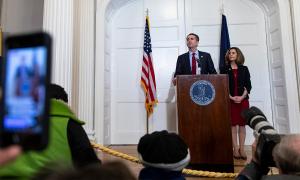
The Voting Rights Act of 1965 (VRA) enabled millions of Black and other voters of color an opportunity to participate in our democracy. Ten years ago, on June 25, 2013, the U.S. Supreme Court decision in Shelby County v. Holder significantly weakened a key provision of the landmark VRA. These LFJ articles remind us of the struggle for voting rights and education and the powerful legacy of Freedom Summer 1964. As we confront current voter suppression and education censorship, let us continue the fight for justice in today's movement.
With the news of U.S. Border Patrol officers using tear gas against asylum-seekers in Mexico—affecting, among others, small children—we are reminded of the Universal Declaration of Human Rights. As its 70th anniversary approaches, we invite you to introduce its depth and relevance to your students with these resources—and to remember its enduring words: "All human beings are born free and equal in dignity and rights."