This lesson, part of the Digital Literacy series, addresses the importance of locating and verifying reliable sources when working with online information.
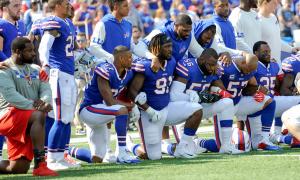
With the spotlight once again on the act of kneeling during the national anthem, students will bring this conversation to the classroom. Here’s how to guide that discussion.
Adam Alvarez, Ph.D., began his career as an elementary teacher at a residential treatment facility where he taught in a self-contained classroom for K-5th grade students with a range of traumatic experiences and diverse racial, cultural and socioeconomic backgrounds. As an assistant professor of urban education at Rowan University, Alvarez’s research aims to support educators in K-12 settings. He is particularly interested in educators who work with children of color, children living in urban environments and children who are exposed to violence and trauma. Alvarez uses various race-based
Breanna and Brooke Bennett, student activists and founders of Women in Training, explain the impetus for their work to provide free menstrual products to all menstruating students.
The 14th Amendment to the U.S. Constitution states that all people born or naturalized in the United States are citizens of the United States and of the state where they reside.
Our youngest students deserve a truthful, age-appropriate account of our past. These resources for elementary educators include a first-of-its-kind framework.