In her article, Randolph delineates the profound impact of perpetuating stereotypical representations of Africa and its people by arranging them into three levels and then providing recommendations for how to combat them when creating learning experiences for students in the United States.
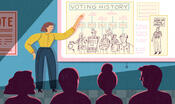
In this lesson, students learn about the expansion and restriction of voting rights in the United States, examine court rulings, discuss voter disengagement, and explore a voting rights timeline. Students will also learn how to register to vote.
Helping young people build resilience against manipulative extremist narratives and conspiracy theories requires all adults in a young person’s trusted network to be equipped with the skills and knowledge to intervene.
To support young people as they grapple with harms motivated by extremism, PERIL director of research, Pasha Dashtgard, Ph.D., argues that it’s incumbent upon the whole community to address hate-fueled violence.
Renée Gokey is the Teacher Services coordinator at the Smithsonian Institution’s National Museum of the American Indian. She is an enrolled member of the Eastern Shawnee Tribe of Oklahoma and is also Shawnee, Sac-n-Fox and Myaamia from her paternal Grandparents. In 2000, she graduated magna cum laude from the University of New Mexico in Anthropology and Native American Studies, where she also began studying and performing flamenco dancing. She received a Master’s degree in Curriculum and Instruction (Transformative Teaching) from George Mason University in 2018. She has been working with
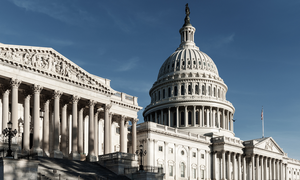
As the political fallout from the January 6 U.S. Capitol riot unfolds, it’s critical that educators help students contextualize white supremacist movements of the past and present.