Like the workplace, school becomes the first or only place where some students, teachers, counselors, principals and others encounter a diverse and varied society. That presents opportunities for enlightenment — and potential for misunderstanding.
“In response to legislation that would have criminalized immigrants, thousands of high school students from across the country walked out of their classrooms and into history.”
This toolkit for “With and About” provides resources to assist educators in designing and delivering more culturally relevant and responsive instruction to and about American Indian peoples.
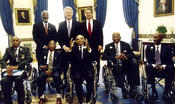
This speech, delivered by then-President Bill Clinton, recognized and apologized for the study conducted by the United States government on more than 500 unknowing African-American soldiers at Tuskegee for untreated syphilis.
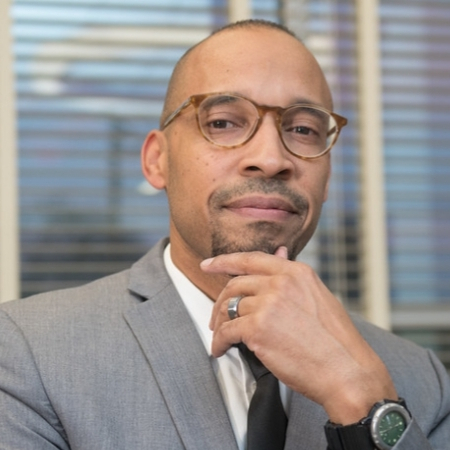
Daryl Howard, Ph.D., is an equity instructional specialist whose work and research interests include race and cultural proficiency, social emotional learning, and the triumphs and challenges of African American male students. As a member of Maryland’s State Department of Education’s Task Force on Equity and Excellence for Black Boys, he researches and recommends policy and practice to disrupt harmful narratives, decrease disproportionality and elevate achievement. Howard is instrumental in the work of the Building our Network of Diversity (BOND) Project, where he leads initiatives focused on
Our new film and viewer’s guide offer educators the tools they need to teach honestly and effectively about lynching and the symbolic power of the noose.
Over the last 15 years, social science research has revealed several best practices for teaching social emotional skills. This toolkit provides a resource roundup of current research.