This toolkit describes how affinity groups help marginalized students to be seen and heard, and provides step-by-step recommendations on how to launch an affinity group—or revamp one that already exists—at your school.
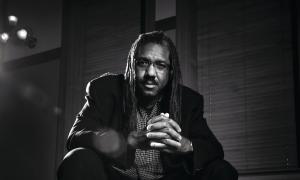
Sean Price's interview with Arizona State University Professor Neal A. Lester. Lester has twice taught courses on the n-word—and found there’s plenty to talk about.
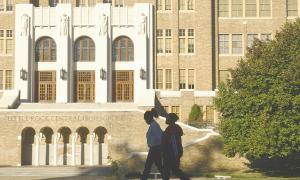
In 1957, nine black schoolchildren enrolled at Central High School in Little Rock, Ark., and compelled the nation to live up to its promise of equality. Fifty years later, Central High's teachers and students revisit the past to help shape the future.
I recently served as a reader of scholarship applications. The process included a complex algorithm for inclusion and took several criteria into account, like GPA, test scores, native languages, income level, assets, essays, parental education level and ethnicity. While providing this service, I came face-to-face with a misconception about race and ethnicity: Appearance predicts what language people speak.
To create more inclusive classrooms and counter negative narratives about Arab Americans, educators can include Arab American history and culture in their current curriculum. Here are some ways to do that.
A research-based approach for strategies of care that educators, parents and caregivers can practice when teaching honest history or engaging in difficult conversations.