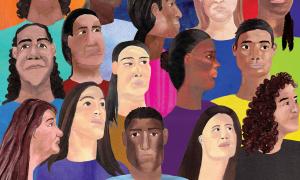
As we planned for Mix It Up at Lunch Day last year, I felt a deep sense of nervousness. I wasn’t worried about getting the kids to talk and chat. I teach at a small school, and the students are usually friendly with one another.
(Teacher Note: Bring in several magazine photographs of unknown people who represent a variety of races, ages, religious backgrounds, jobs, etc. Number the photographs, then hang them where students can view them.) 1
Students who don’t see well don’t learn well. There may be a place to buy eyeglasses in every mall, but for many children, a visit to the eye doctor is a rare event. These children struggle with undiagnosed or untreated vision problems because they don’t have access to screenings or treatment.
My third-hour class was a challenge. The students were young, the class was large, and most students just needed a required fine art credit. Not great art lovers, they spent their considerable energy doing everything but their art projects.
When invested and empowered, students can be equal partners in creating a productive and meaningful learning environment. This toolkit provides an inventory to allow you to reflect on how student voices and input are integrated into your classroom and school community.
This toolkit will equip you with strategies to engage students in primary source analysis. By learning the right questions to ask, students will come to a more nuanced understanding of history.