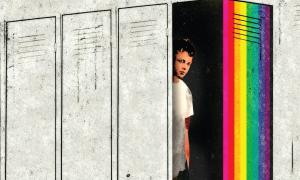
Life can be tough for LGBT students in rural schools. But like kids in more urban areas, that can change with the right kind of support from teachers and parents.
A research-based approach for strategies of care that educators, parents and caregivers can practice when teaching honest history or engaging in difficult conversations.
As the political fallout from the January 6 U.S. Capitol riot unfolds, it’s critical that educators help students contextualize white supremacist movements of the past and present.
While we as a society work together for solutions to end mass violence, we educators need to rethink how we teach masculinity through our deeds and actions.
Gov. Orval E. Faubus of Arkansas delivered this speech on Sept. 18, 1958. In this speech, Faubus justifies his decision to shut down Little Rock’s public high schools for the year rather than complying with the Supreme Court’s order to continue with integration.
In early September 1957, nine African-American students faced a violent mob when they attempted to enter the newly desegregated Little Rock Central High School in Little Rock, Ark.. President Dwight D. Eisenhower signed this executive order on September 23, 1957 to enforce an orderly desegregation.
This lesson, part of the Digital Literacy series, focuses on teaching students to identify how writers can reveal their biases through their word choice and tone. Students will identify “charged” words that communicate a point of view. Students will understand how writers communicate a point of view implicitly by writing their own charged news stories.