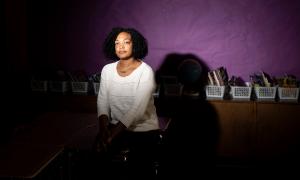
As part of our series highlighting educator voices, we spoke to five Black teachers who teach in predominately Black or all-Black settings to ask how they approach the topic of slavery.

I see my cocoa brown hand grab the handle of the door. I take a deep breath. I already know what I will see and I am sure I will know what I feel. I step into the room and professionally scan the room so fast no one even knows I am doing it. It’s what I expect. I accept I am the “only one” with a tan that never goes away. I am the only African-American in the room.
Black women are among the most represented groups in higher education enrollment by race and gender—but that doesn’t mean Black girls don’t face unique struggles in our education system.
Before You Begin: The Planning Committee Activity A: Review Best Practices 1. Take turns reading the standards aloud. As you read, discuss each standard and address any questions or concerns group members may have—about
This toolkit for “Shifting Out of Neutral” focuses on historical thinking development through critical literacy and builds on author Jonathan Gold’s call for educators to acknowledge and teach about power and bias.
Through Big Brothers, Big Sisters, I’ve been working with a little girl from the neighborhood where I used to teach. I think very highly of this group and have only had good experiences with them. However, at a recent area-wide picnic, I noticed something disturbing. Most (not all, but the vast majority) of the children being mentored were African American or Latino. Most of the adult mentors were white or Asian. Again, this was not without exception, but was apparent.
Seeking to push fellow teachers’ thinking around social justice issues, this teacher and her colleague started a book study group. Here’s how they did it.