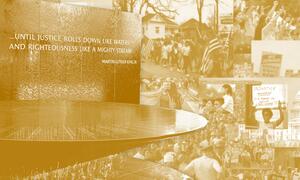
The connections between past and present intersecting movements in the Southern Poverty Law Center’s Civil Rights Memorial Center educate and inspire individuals to continue the fight for justice.
“What to the Slave is the Fourth of July?” was a speech given by abolitionist and former slave Frederick Douglass on July 5, 1852, in Rochester, N.Y., at an event commemorating American independence.
The definition of biculturalism is limited when it comes to Third Culture Kids. Here are some ways to understand and support students who belong to multiple identity groups.
This news segment from 2000 recalls the march that took place in Selma, Ala. on March 7, 1965. This day, known as Bloody Sunday, was marked by violent attacks by state and local police upon protesters as they reached the end of Selma’s Edmund Pettus Bridge.
The announcement on November 20, 1969 from 89 American Indians – mostly students from colleges and universities – that they were taking over Alcatraz Island, set in motion what would become the longest occupation of a federal facility by Native Americans to date. This report aired a year later on NBC News, in December 1970, six months before the occupation ended.
1964 included a number of important civil rights events critical to the ongoing march for racial equality and justice. These resources can help take students back to this important year. 1964 Civil Rights Milestone