author

2,412 Results
the moment
Inclusive Education Means Safe, Welcoming Schools for All Students
Schools should be safe and welcoming for all children—on this point responsible adults agree. But currently, discriminatory laws and censorship policies threaten the well-being of children. LGBTQ+ young people and families are being targeted, along with Black, Indigenous and other people of color and members of historically marginalized groups, whose histories and experiences are being misrepresented and erased.
- Social Justice Standards
- A Refuge for LGBTQ+ Young People
- Speak Up at School
page
Our Votes Matter: Action Steps in Planning to Vote
This Civics for Democracy learning resource provides action steps for participating in today’s election process.
September 13, 2024
article
Parents and Caregivers for Inclusive Education

Responsible parent and caregiver groups are focusing on children’s right to inclusive and equitable education—in direct opposition to politically motivated “parents’ rights” groups with discriminatory agendas that harm young people.
article
The Bravery of Linda Brown
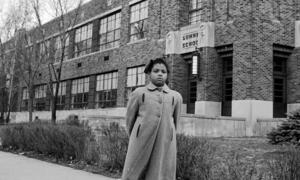
As we remember Linda Brown Thompson, we must also consider the reality of the world she lived in when, at the age of 9, she became the face of school desegregation.
text
Informational
The Fugitive Slave Bill
The Fugitive Slave Clause was a stipulation in the U.S. Constitution (Article IV, Section 2, Clause 3) that enslaved persons who escaped to another state had to be returned to their previous enslaver if discovered. An essential component of the Compromise of 1850 included a strengthening of that clause, through what was known as the Fugitive Slave Bill of 1850. The bill served as a concession to southern congressmen who wanted increased power to capture formerly enslaved persons. Congress passed the bill on September 18, 1850, and President Millard Fillmore signed it into law on the same day.
December 14, 2017
text
Informational
An Ex-Slaveholder's View of the Negro Question in the South
Written in 1900, this text presents the views of a former enslaver about the value of slavery for those enslaved.
December 14, 2017
text
Informational
Slaves’ Petition for Freedom to the Massachusetts Legislature (1777)
This petition illustrates how enslaved people used the rhetoric of the American Revolution to point out the colonies’ hypocrisy of demanding freedom and liberty, while themselves having slavery.
January 5, 2018
text
Informational
Army Office Letter and “I am Committee” Broadside
This Reconstruction-era broadside shows the ways in which African Americans were intimidated and threatened in order to maintain a racially stratified society.
January 9, 2018
article
Life After Diversity Training
When the U.S. Department of Education’s Office for Civil Rights mandated diversity trainings for this school district, everyone pulled together to make some serious changes for the better.