The title “Before Rosa Parks” loosely links a number of lessons that discuss African-American women who were active in the fight for civil rights before the 1950s. This lesson highlights Ida B. Wells, who worked tirelessly for racial justice in the South, especially concerning lynching.
During this lesson, students will reflect on the ways they have experienced or participated in bias based on physical size and appearance—and will discuss how society’s expectations about body image and appearance affect people. Students build on their media literacy skills as they examine media images for messages that consciously and unconsciously affect attitudes and behaviors toward others. Finally, the class will explore ways to get beyond appearance as a dominant force in their social lives.Note: This lesson has been adapted with permission from the original created by GLSEN for its program, No Name-Calling Week.
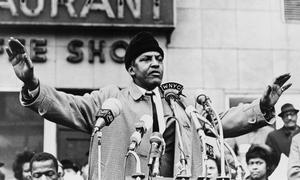
Bayard Rustin believed deeply in the power of nonviolence during the era of segregation. In the following essay, he describes its use and effect on a bus ride from Louisville to Nashville.
This resource page includes articles, webinars, guides, children's stories, podcasts and film on LGBTQ+ history, inclusive education practices and recommendations for being an ally.
Bayard Rustin’s participation in the civil rights movement enshrined his place in the history of the 20th century, and his life’s work has become newly relevant during a time when LGBTQ rights are at the forefront of the American conscience.