When five schools in an Illinois school district came together for a community event, everyone involved experienced the power of working together for the common good.
Young people need stories of persistent women who have fought for gender equality. Women's History Month is a good time for us to recommit to teaching those stories.
Amid school closures, online classes can offer new opportunities for culturally responsive teaching. Here’s what one educator is trying with her fifth grade students.
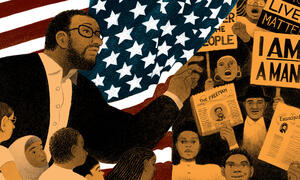
Parents of color and parents of conscience, whose children make up the majority of students in public education, must be centered in conversations on race and inclusive education.
To develop the next generation of civic leaders, educate children early and in age-appropriate ways about their identities and key concepts about race.
We’ve collected some of our favorite 9-12 resources and lessons for teaching about voter suppression and how it shapes elections today. These TT-recommended resources for exploring voter suppression with students have
How well is your school meeting the needs of your LGBTQ students? PROM [ ] Gender-inclusive language is used on all event communications, including invitations. [ ] Event organizers are educated about students’ First
On November 12, hearings begin for the Supreme Court cases that could decide the fate of DACA. It’s an opportunity for educators to start an important conversation.
Following the attack on Pearl Harbor, over 110,000 Japanese Americans, mostly U.S. citizens, were incarcerated in “War Relocation Camps.” These photographs were taken at Manzanar, one of the ten Japanese internment camps, in 1942.