Maleeka gets made fun of at school about her clothes, her grades, even the color of her skin. In this chapter, she talks about getting teased on a school trip and how even her friend Char was ashamed to be seen with her because of her clothes.
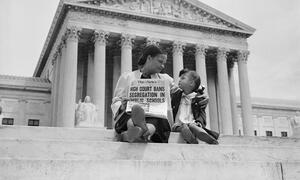
Teach the Supreme Court’s decision in 'Brown v. Board of Education of Topeka' in all its complexity and relevance to the ongoing movement for inclusive education.
As “Girls, Interrupted” documents, girls now account for 30 percent of juvenile arrests and 15 percent of juvenile incarceration—making them the fastest-growing demographic in the juvenile justice system. But they are the least talked about. This toolkit offers a list of resources that educators can consult to expand their knowledge about at-risk girls and build gender-responsive practices to support their needs.
A leading scholar on human rights education shares some try-tomorrow strategies for starting a human rights club at your high school. Pocket these ideas for Human Rights Day on December 10—and beyond.
For the last few days, an “educational analyst” for Focus on the Family has been getting a lot of press. She’s been suggesting that anti-bullying efforts that draw attention to the harassment of lesbian, gay, bisexual and transgender (LGBT) students are part of a “gay agenda” to “sneak homosexuality lessons into classrooms.”
Kelly Griffith is a middle school social studies teacher in Brownsville, Texas—a city on the U.S.–Mexico border. She graduated with a B.A. in Political Science and Education and a Master's in Education from the University of Notre Dame. She is a recent graduate of the Alliance for Catholic Education program at the University of Notre Dame. She teaches history through a lens of literacy and is particularly passionate about the education of English language learners. Griffith is the recipient of the Charles Redd Center Teaching Western History Award and the Brownsville Rotary Endowment for
Jordan's poem takes on an sarcastic tone as she describes the duties, punishments, emotions and false promises endured by African Americans since slavery in response to Bill Clinton's description of affirmative action as "a psychologically difficult time for the so-called angry White man."