If we want to be allies to our students, we have to recognize—and honor—their full identities. That means also recognizing and working to remedy interlocking systems of oppression.
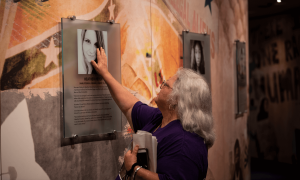
TT Staff Writer Coshandra Dillard sits down with Susan Bro to discuss her activist work, her hopes for the future and the legacy of her daughter, Heather Heyer.
TT Educator Grants support social justice at the classroom, school and district levels. TT's grants manager spoke with grantee Jenny Finn about her project helping her Appalachian students explore racism and white privilege close to home.
Zaretta Hammond is a writer and consultant who specializes in the science of teaching and learning. “Becoming culturally responsive starts with showing genuine caring that recognizes the unique gifts and talents of every
Inclusive education builds critical thinking—the intellectual tools for reflection, continuous inquiry, constructive dialogue and the possibility of changing one’s perspective—and is an essential lever for democracy.
When asking students to explore issues of personal and social identity, teachers must help establish braver spaces where students are seen, valued, cared for, respected, and have opportunities to learn from one another’s experiences and perspectives.
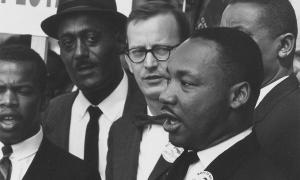
For many educators, the 50th anniversary of Dr. King’s assassination prompted reflection on how he and the causes he championed continue to shape our lives.
Our “Teach This” discussion guides are easily adapted for in-person, asynchronous, or virtual learning. We’ll be adding new resources up until the election, so be sure to check back often or sign up for Future Voters
It’s summertime, and students have replaced class time with free time. In the wake of the Trayvon Martin shooting, parents and teachers are painfully aware of the widespread racial profiling targeting men of color—particularly younger men who are more apt to be out and about during these summer months.