The title “Before Rosa Parks” loosely links a number of lessons that discuss African-American women who were active in the fight for civil rights before the 1950s. This lesson highlights Frances Watkins Harper, who challenged power structures in the South by talking to free former slaves about voting, land ownership and education—and fought segregated public transportation.
The Freedom Riders looked to invoke federal action and gain national attention as they traveled on interstate bus lines across the South seeking service at white-only waiting rooms and lunch counters.
The diverse holidays of the world present great teachable moments. Teaching Tolerance and Tanenbaum Center for Interreligious Understanding have teamed up to help teachers capitalize on these moments while recognizing and addressing the complexity of the so-called “December Dilemma.”
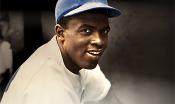
Suzanne Bilyeu details how Jackie Robinson's gift for playing ball eventually united a team of 30 men and gave hope to hundreds of thousands of African Americans. These feats came at a great cost to Robinson physically, mentally and emotionally as he endured hate and hardships on and off the field
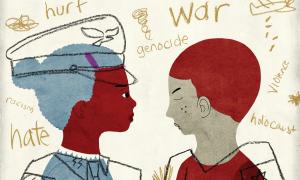
This lesson explores the complexities of a situation in which immigrant students attend a school that is plagued with racially motivated violence. Working in small groups and as a class, students will discuss possible solutions and outcomes and apply their problem-solving skills to issues affecting their own school and community.
This news segment from 2000 recalls the march that took place in Selma, Ala. on March 7, 1965. This day, known as Bloody Sunday, was marked by violent attacks by state and local police upon protesters as they reached the end of Selma’s Edmund Pettus Bridge.
Hussein, the narrator of My Name Was Hussein, lives in Bulgaria. His Muslim family takes great pride in their religion and traditions. But soldiers soon arrive in their village and force all of the Muslims to adopt Christian names, thereby inhibiting their freedom and identities.