This lesson is the third and final lesson of the series The Color of Law: The Role of Government in Shaping Racial Inequity. In this lesson, students examine policies that supported and cultivated the creation of the white middle class and the practices that excluded black and nonwhite people from economic development.
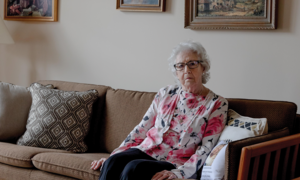
Maud Dahme, Holocaust survivor and educator, emphasizes the importance of survivor testimony in learning from the past and uplifts our shared humanity.
This text is a long reflection by a woman who was formerly enslaved. The author, Annie, grew up working in the home of her enslaver. The text gives her perspective on the experience of slavery and liberation.
In his article, physician and journalist Lawrence K. Altman describes the early cases of acquired immune deficiency syndrome (AIDS) and the uncertainty that surrounded the infectious disease at its naming.
Who says girls can't be superheroes? Sheila and her classmates learn that both girls and boys can be superheroes, thanks to their teacher, Mrs. Miller.
A Glossary of Terms From the outside looking in, the ABCs of LGBTQ identities can feel overwhelming, academic and inaccessible. But for students deprived of representation, words matter—and can open a door toward
In this text, Judge Samuel Sewall of Massachusetts Bay refuted four arguments supporting slavery, utilizing the Bible in his religious argument against enslavement of Africans.
Inclusive education builds critical thinking—the intellectual tools for reflection, continuous inquiry, constructive dialogue and the possibility of changing one’s perspective—and is an essential lever for democracy.