This chapter details the Chinese involvement in building the transcontinental railroad and the friction it caused between them and white workers, whom Chinese workers displaced from their jobs due to their willingness to work for less and not join labor unions.
We asked our 25 Teaching Tolerance Advisory Board members what advice they would offer to fellow educators about Black History Month. Each of these experienced educators offers a wealth of expertise, especially when it comes to bringing multicultural topics into the classroom.
Sheila Esshaki is an English and English as a Second Language high school teacher in the metropolitan Detroit area. She has taught in high schools in Caracas, Venezuela; Cairo, Egypt; and Ankara, Turkey. She is a first-generation Arab American who speaks fluent Arabic and understands some of her native Chaldean (Aramaic). Her bicultural background, along with her experiences, give energy to her passion for supporting respect for and celebration of diversity.
Dr. Amanda Morris is an Associate Professor of writing and rhetoric at Kutztown University of Pennsylvania. Her scholarship and much of her public writing and speaking engagements focus on contemporary Indigenous rhetorics. Her academic writing can be found in Rhetoric Review, Epiphany, WSQ, Journal of American Culture, Enthymema, South Atlantic Review, and the books Stand Up Comedy and Rhetoric (Routledge, 2016) and Decolonizing Native American Rhetoric: Communicating Self-Determination (Peter Lang, 2018).
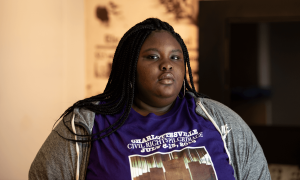
When Zyahna Bryant started the petition to have Robert E. Lee’s statue removed from Charlottesville, she was doing something she’s been practicing for years: using her voice for equity and justice. And she’s not going to stop.
Recounting a selective portion of an enslaved woman’s life, this brief biography also serves as a reflection of what mainstream society deemed “worthy” during the early to mid-19th century. Precisely because Alice supposedly embodied characteristics that were both exceptional and ordinary, her story offers a useful lens to consider how slavery was understood in its time.
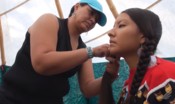
Brittany Iron competes in the Crow Nation’s Ultimate Warrior Challenge. The Challenge spurs her to master canoeing, running, and riding. The race teaches the Native values of commitment and perseverance. To participate, she has to commit to abstain from drugs and alcohol. The Crow are reimagining what it means to be a warrior. They are now drawing on traditional rituals to combat the effects of centuries of stigma and trauma, and to rebuild the tribe’s sense of pride and purpose.