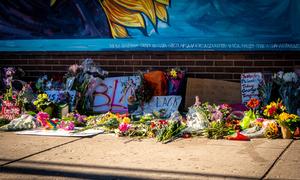
As protesters across the nation rise up against police violence and systemic racism in support of Black lives, there’s something white allies need to recognize.
The digital literacy resources in this toolkit, which can be integrated across all subject areas, are designed to meet present-day challenges in navigating online information and countering online hate.
Cara Liebowitz is a college student, activist, and writer with multiple disabilities. She aims to change the way educators view disability by bringing disability culture, history, and pride into the classroom. She will graduate in Fall 2013 from Kutztown University of Pennsylvania with a bachelor’s degree in special education.
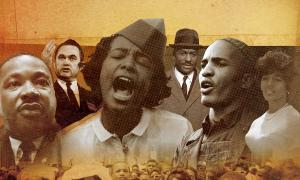
Don’t sugarcoat history in teaching the civil rights movement. Students deserve the full truth about both the racial bias that caused it and our hesitant steps toward freedom.
I recently served as a reader of scholarship applications. The process included a complex algorithm for inclusion and took several criteria into account, like GPA, test scores, native languages, income level, assets, essays, parental education level and ethnicity. While providing this service, I came face-to-face with a misconception about race and ethnicity: Appearance predicts what language people speak.
With 40 minutes—or fewer—to spend with students each week, this elementary music teacher struggled to teach meaningful content. Then she began asking herself, "Who do I want my students to be when they leave my classroom?"