Recognize the possibilities of the power of the vote, encourage your friends and family to engage in civic action, and become a change agent in your community.
Educators who connect their teaching to students’ cultures, languages and heritage create classroom environments that value critical home-school relationships, affirm student identities and challenge stereotypes.
Appendix I For Educators: Laying the Groundwork for Reading Groups This section offers guidelines for educators and suggests key questions to consider before bringing families together for the first planning meeting
Mari and her family have been sent to an internment camp in Utah. She does not understand what they have done to deserve their internment and longs for her backyard in California where she used to grow sunflowers.
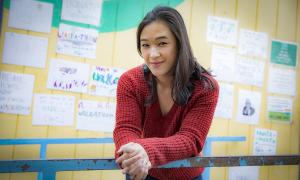
In this interview, TT Award Winner Liz Kleinrock talks about the steps she takes at the beginning of the school year to connect with her students’ families and how she builds those relationships throughout the year.
“The New Deciders” examines the influence of voters from four demographic groups—black millennials, Arab Americans, Latino Evangelicals and Asian Americans. Viewers will meet political hopefuls, community leaders, activists and church members from Orange County, California, Cleveland, Ohio, Greensboro, North Carolina and Orlando, Florida, all of whom have the opportunity to move the political needle, locally and nationally.
Is your classroom a calm, relaxing day or a violent, destructive storm? Is it sunny, cloudy or rainy? Is it frigidly cold? Are you a calm, refreshing breeze or a tornado?
An 1886 advertisement for a laundry detergent called the Magic Washer shows Uncle Sam booting out a group of stereotypically depicted Chinese Americans.