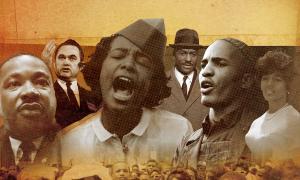
Don’t sugarcoat history in teaching the civil rights movement. Students deserve the full truth about both the racial bias that caused it and our hesitant steps toward freedom.
Introduction To feel safe and to feel seen. To feel valued and capable of growth. These are simple concepts—basic pillars of student achievement and the results of good pedagogy. For many queer students, these rights
Help students recognize the value of a diverse democracy in their classrooms, schools and communities. These PD resources include best practices and strategies for building community, tailoring instruction, and engaging
Since its founding in 1991, Learning for Justice—formerly Teaching Tolerance—has been recognized as a transformative force in education. Our materials have won two Oscars, an Emmy and scores of honors. Here is a sampling
Given the controversy around kneeling during the national anthem, studying and discussing two landmark Supreme Court cases can provide students with examples of an oppressed group of people who defied authority and won.
After hearing from skeptics about our Teaching Hard History report findings, TT Director Maureen Costello came across striking new evidence that the project is necessary.
Schools across the nation are committing to the all-important work of anti-racism. Schools with predominately white or privileged students should be no exception.