After a shooting spree in Georgia took the lives of eight people—including six Asian American women—it’s important to pause, check in and prioritize care.
Twenty-eight teachers in my master’s level class silently moved en masse to the right side of the room to signify that they would teach the civil rights movement to their elementary students. In fact, most considered it negligent to ignore this historic movement that brought about the end of segregation in our country.
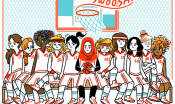
In this story, Hani faces the decision of removing her hijab in order to play in a basketball tournament or sitting on the bench and watching the game. With the support of her teammates, she stands up to injustice and makes an important decision.
The 2017 Women’s March made a powerful statement for women’s rights and resistance to divisive rhetoric. The movement’s greater impact is its energizing of activists, especially young women, in the United States and around the world.
As social media engagement among youth continues to rise, students are becoming increasingly exposed to and involved in hashtag campaigns related to themes of identity, diversity, justice and social action.
Many educators profess, as a virtue, that they treat all students the same. But when a student’s specific needs and story are erased, it’s not equitable—it’s damaging.
Nearly 80 years before women officially were allowed to serve in the U.S. Army, former slave Cathay Williams did so, patrolling the western United States as a member of the all-black Buffalo Soldiers.