Search


Type
Grade Level
Social Justice Domain
Subject
Topic

1,362 Results

text
Informational

Choices

This essay places side by side the historical oppression of African Americans in the South and the recent surge of African Americans moving back to the South of their own free will. In her discussion, Maya Angelou questions why such choices are considered remarkable.
by
Maya Angelou
Grade Level
Subject
History
Geography
Social Justice Domain
July 2, 2014
article

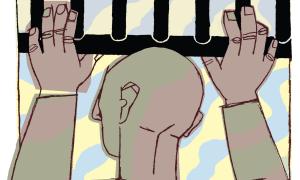
Twenty States Still Use the Paddle

In 1964, my third-grade teacher relied mainly on an air of motherly authority to maintain control over her classroom of more than 50 8-year-olds. But when pushed, she warned darkly of deploying her spanking machine.
article

Looking Back at Civil Rights—and Looking Ahead

Like the more than 22,000 students who visit the Civil Rights Memorial Center each year, Brittney Johnson loved the fountain. The 10-year-old Montgomery, Ala., native had never been to the memorial center, even though it’s just a few miles from her house. And like most visitors she was instantly drawn to the circular black granite fountain out in front. This unique piece of architecture, designed by Maya Lin, is engraved with the names of 40 civil rights martyrs. Next to it stands a wall of water that cascades transparently over Martin Luther King Jr.’s well-known paraphrase of Amos 5:24 -- We will not be satisfied until justice rolls down like waters and righteousness like a mighty stream.
author

Aimee Young

Aimee Young teaches in rural Ohio. She has studied in Poland and Israel, was awarded a teaching fellowship through the United States Holocaust Memorial Museum and earned the prestigious DisneyHAND American Teacher Award, given to just 38 teachers in the nation in 2004.
author

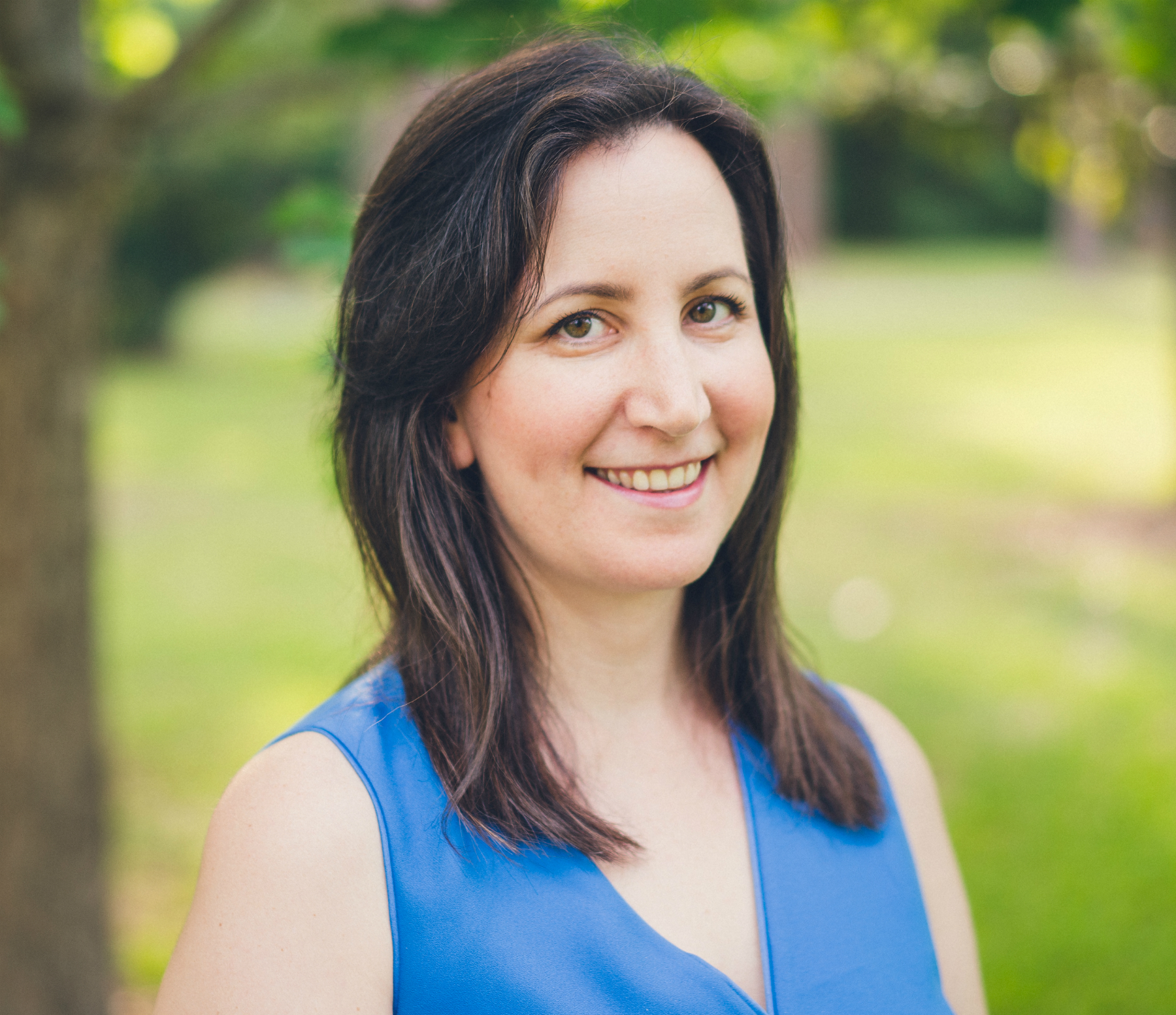
Jennifer L. Lieberman

Jennifer L. Lieberman is Assistant Professor of English at the University of North Florida, and has taught classes to conventional and incarcerated students in subjects ranging from American literature and African-American literature to gender and women studies and the history of science, medicine, and technology. She was the Presidential Diversity and Inclusion Award winner and the Florida Blue Center for Ethics Fellow at her university in 2017, both for her work in ethics and social justice. Her book, Power Lines: Electricity in American Life and Letters, 1882-1952, is available from The MIT